

Childcare and early learning centers
Most center directors are running enrollment, staffing, family communication and licensing at the same time. Health and safety systems get built once and then quietly drift. Our nursing team gives you a clinical read on where that drift has happened, and a plan you can actually work through.

What these programs are managing
No clinical staff on site
Health policies are usually written by administrators, not clinicians. That is not a failure of effort, it is a gap in training. The result is documentation that looks complete and practice that does not match it.
Medication handled by rotating staff
When several teachers share medication duties, small inconsistencies accumulate: a log signed late, a rescue inhaler stored in a locked office, an expired auto-injector nobody checked.
Licensing pressure without a rehearsal
Programs often find out where they stand during a real inspection. A readiness review gives you the same look first, with time to fix what it finds.
Staff turnover erasing competency
Training records show who attended. They rarely show who can still perform the skill. New hires often inherit responsibility before anyone validates them.
Single-site programs that need clinical eyes on medication, documentation and emergency readiness, without adding a nurse to payroll.
Most center directors are running enrollment, staffing, family communication and licensing at the same time. Health and safety systems get built once and then quietly drift. Our nursing team gives you a clinical read on where that drift has happened, and a plan you can actually work through.

How our nursing team supports you
A clinical baseline you can defend
Our licensed nursing professionals review the systems most likely to matter in an emergency, then write it up in language you can hand to an owner, a board or a licensing specialist.
Medication practice made consistent
We look at the full pathway: provider order, storage, accessibility, administration, documentation and the emergency response around it.
Competency you can point to
Training ends in return demonstration, validated by a nurse, with an individual record for each staff member.
A short, realistic improvement list
You leave with 30-day priorities, not a 60-page document that never gets opened.
Recommended services
Essential Readiness Review
Your foundational health and safety readiness snapshot.
View serviceClinical reviewMedication & Clinical Safety
Medication systems reviewed the way a nurse would review them.
View serviceTraining and validationStaff Training & Competency
Training that ends in validated skill, not a sign-in sheet.
View service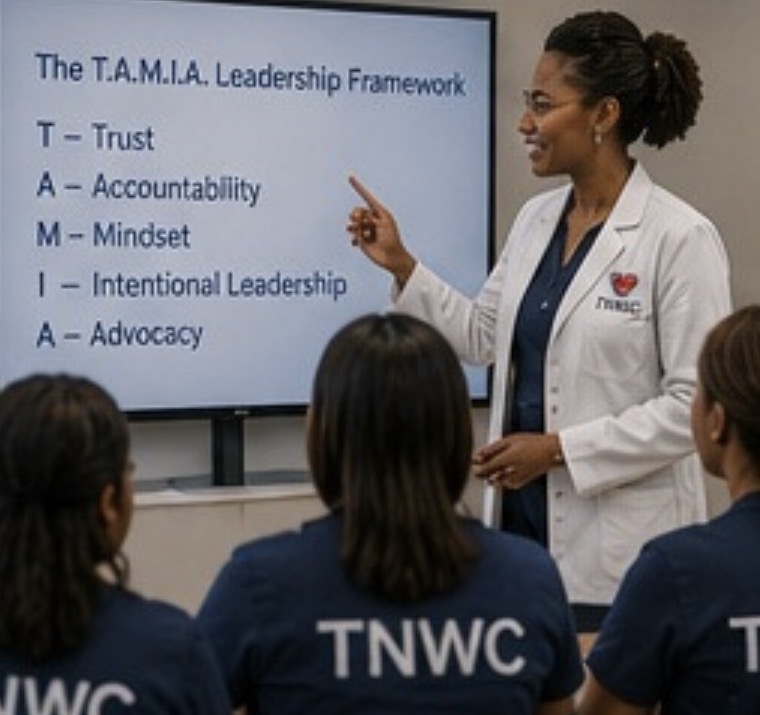
What an engagement can look like
- 1
A discovery conversation to understand your enrollment, health needs and any upcoming monitoring
- 2
An on-site readiness review across the agreed scope, usually completed in a single day for one site
- 3
A same-day leadership debrief so nothing important waits for the written report
- 4
A written executive summary with prioritized findings and 30-day priorities
- 5
A follow-up check to verify the highest-risk items actually closed
You do not need to be a large organization to run a program that holds up under pressure. You need a clear picture and a short list of the right next moves.
Other organizations we serve
Ready to see where your program actually stands?
Start with a discovery consultation. No cost, no pressure, and a clear recommendation at the end of it.