
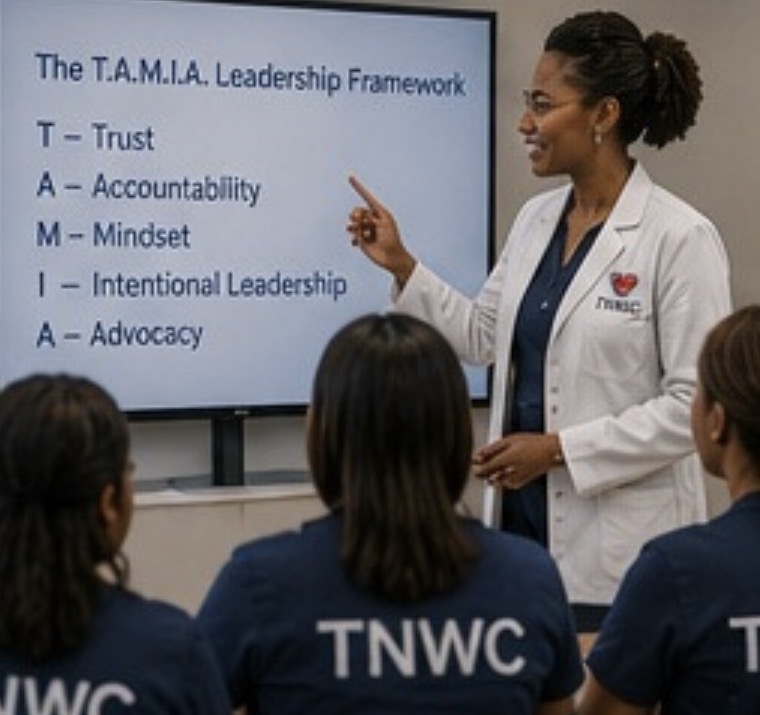
Programs caring for children with individualized health needs
When a child with a complex health need enrolls, the plan has to be built before the first hard day, not during it. Our licensed nursing professionals turn a provider order into something a classroom teacher can follow under pressure.

What these programs are managing
Provider plans written for clinicians
A medical order is written for people with clinical training. Classroom staff need the same information as clear, sequenced actions.
Medication that must be reachable in seconds
Rescue medication locked in an office is not accessible medication. Outdoor time, field trips and transitions are where plans break.
Skills that fade between events
Staff may be trained on an auto-injector and never use one. Confidence drops quickly without re-validation.
Family trust
Families of medically complex children have usually been let down somewhere before. They read your preparation as evidence of whether their child is safe.
Asthma, severe allergies, seizure disorders, diabetes and other conditions that require a real plan and validated staff skill.
When a child with a complex health need enrolls, the plan has to be built before the first hard day, not during it. Our licensed nursing professionals turn a provider order into something a classroom teacher can follow under pressure.

How our nursing team supports you
Care plans translated for the classroom
We review the provider plan and build emergency response steps written for the adult who will actually be in the room.
Accessibility planning
Where the medication lives, who carries it, what goes on the field trip, and how it moves between classrooms.
Child-specific competency validation
Staff scheduled with that child demonstrate the skill and are validated by a nurse, with the record kept on file.
Documentation your team will maintain
Daily and emergency tools designed to be used, not filed.
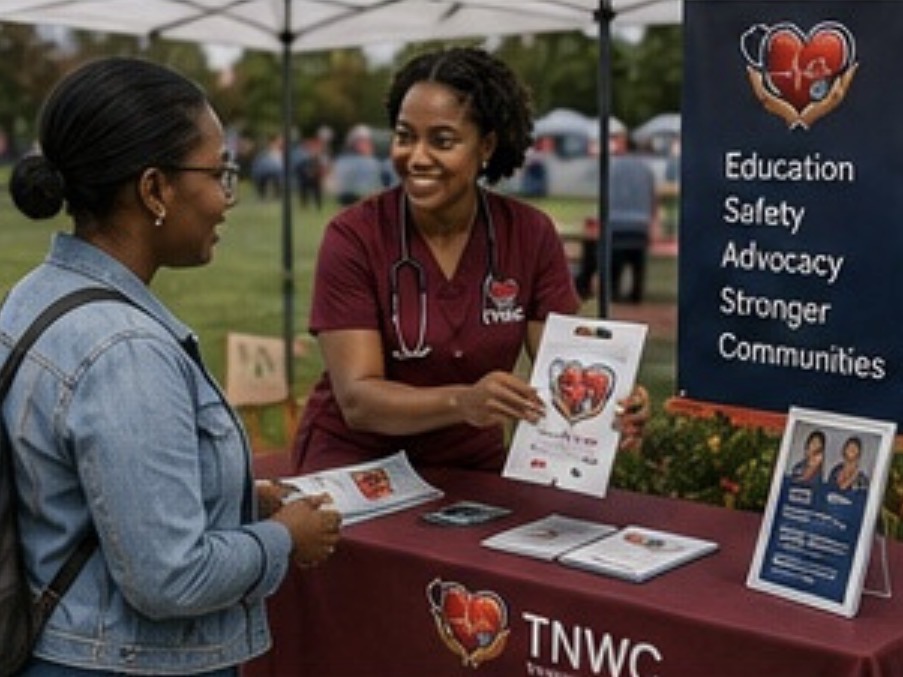
Recommended services
Individual Health Needs Consultation
Care planning for the children who need the most planning.
View serviceTraining and validationStaff Training & Competency
Training that ends in validated skill, not a sign-in sheet.
View serviceClinical reviewMedication & Clinical Safety
Medication systems reviewed the way a nurse would review them.
View serviceWhat an engagement can look like
- 1
Discovery covering the child's condition, provider plan and current classroom placement
- 2
Review of the existing care plan, orders, consents and medication storage
- 3
Development of classroom-ready emergency response steps and documentation tools
- 4
Targeted training and competency validation for the staff assigned to that child
- 5
A scheduled follow-up review as the child's needs or placement change
Preparation is what turns a diagnosis into an ordinary day. Every adult who works with that child should know the plan and have practiced the response.
Other organizations we serve
Ready to see where your program actually stands?
Start with a discovery consultation. No cost, no pressure, and a clear recommendation at the end of it.